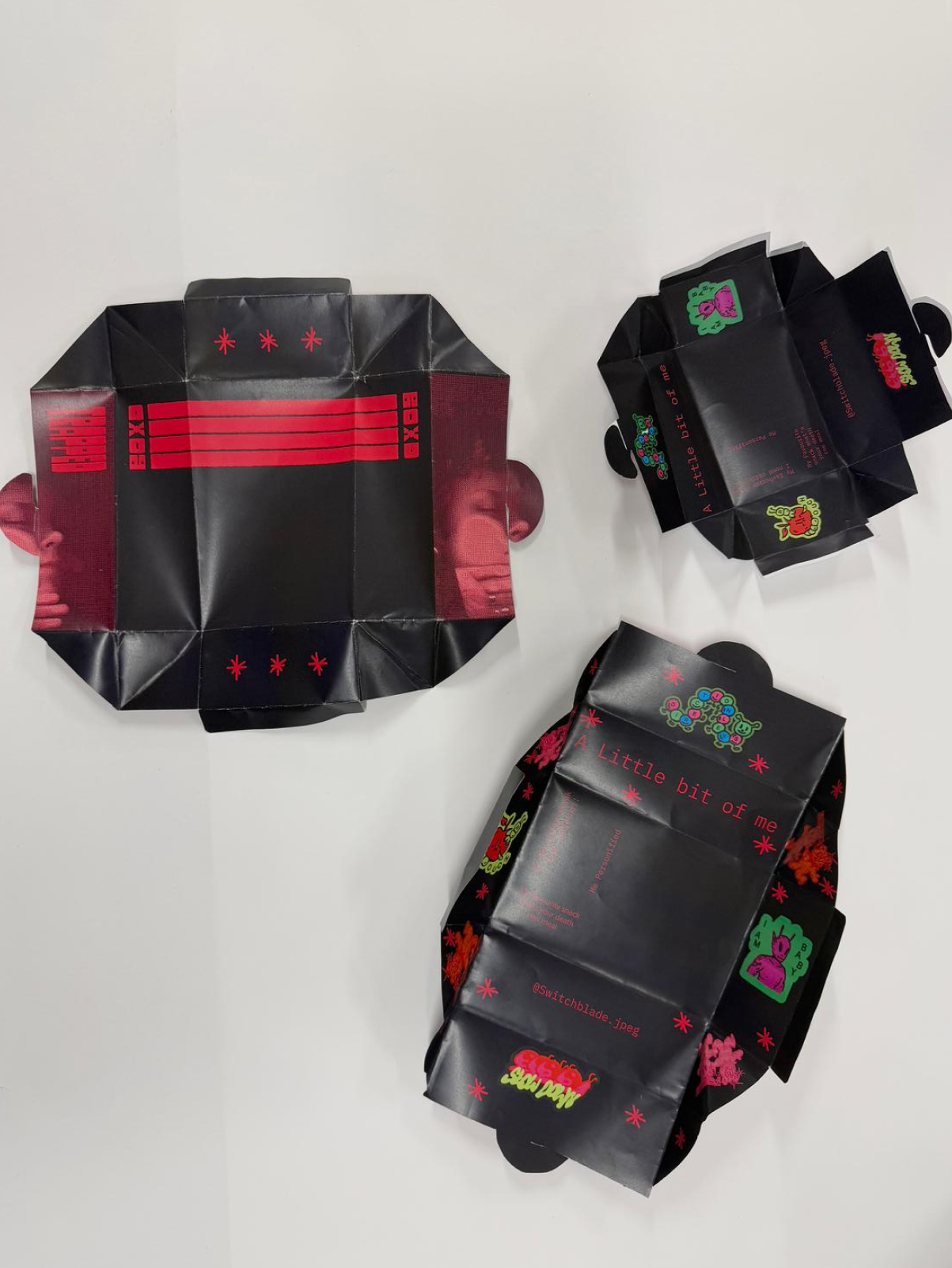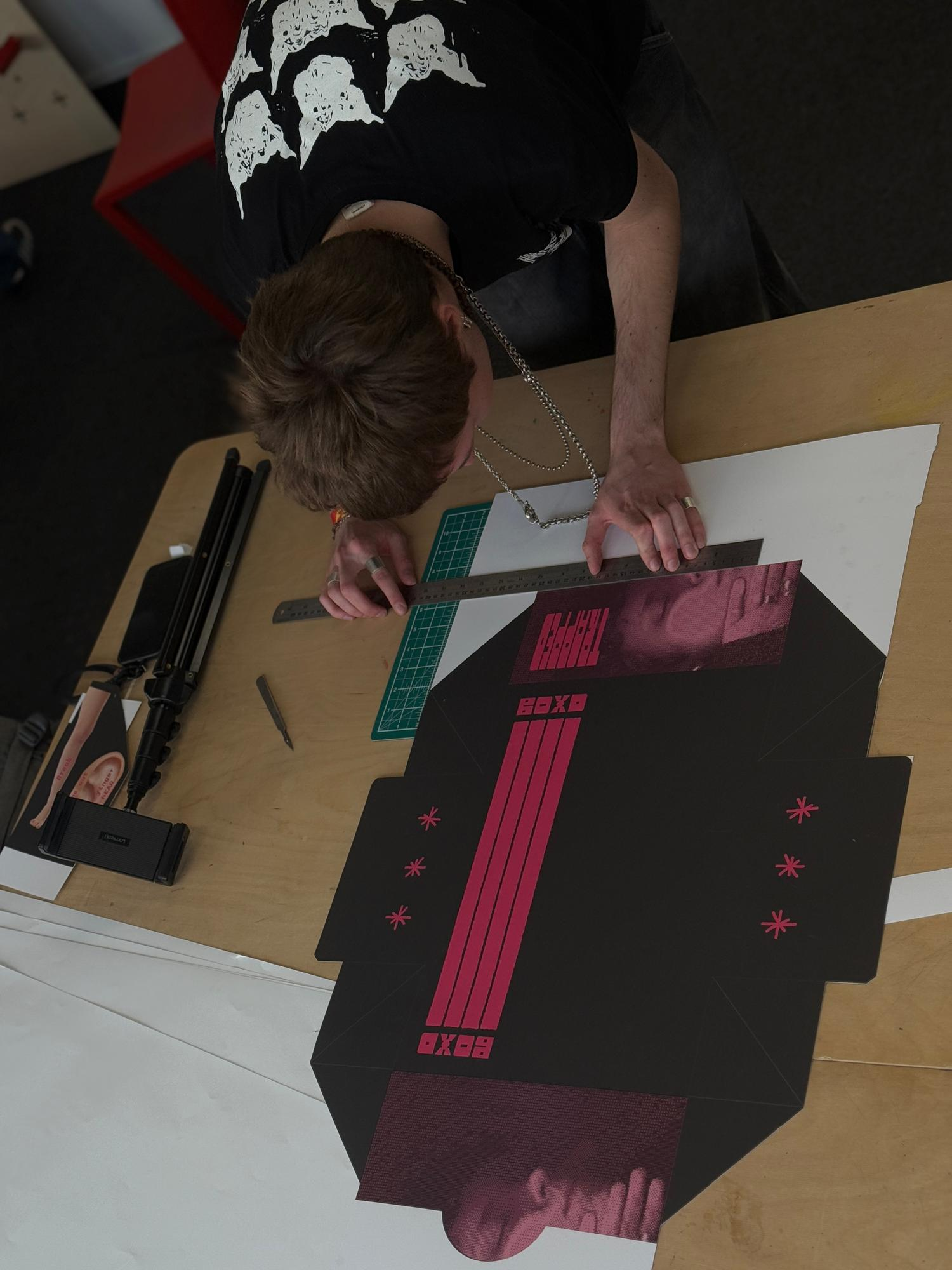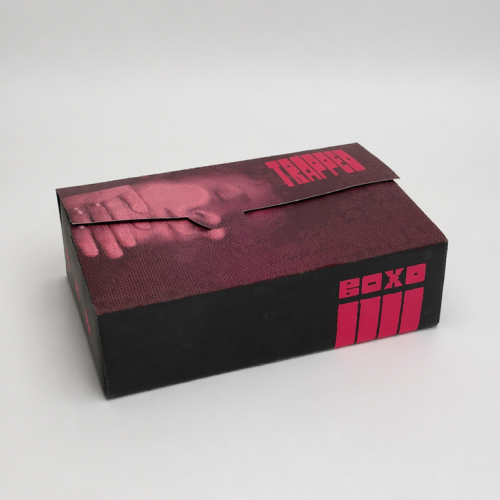
BOXD
Course Work
Year
2026
Responsabilities
Collaboratively worked on user research and user experience design. Led prototyping and art direction.
Tools
Figma
FigJam
Illustrator
InDesign
Methods
Interviews
Survey
Personas
User journey
Usability testing
Affinity mapping
Literature Review
Contextual Inquiry
Co-design
Rapid Prototyping
Overview
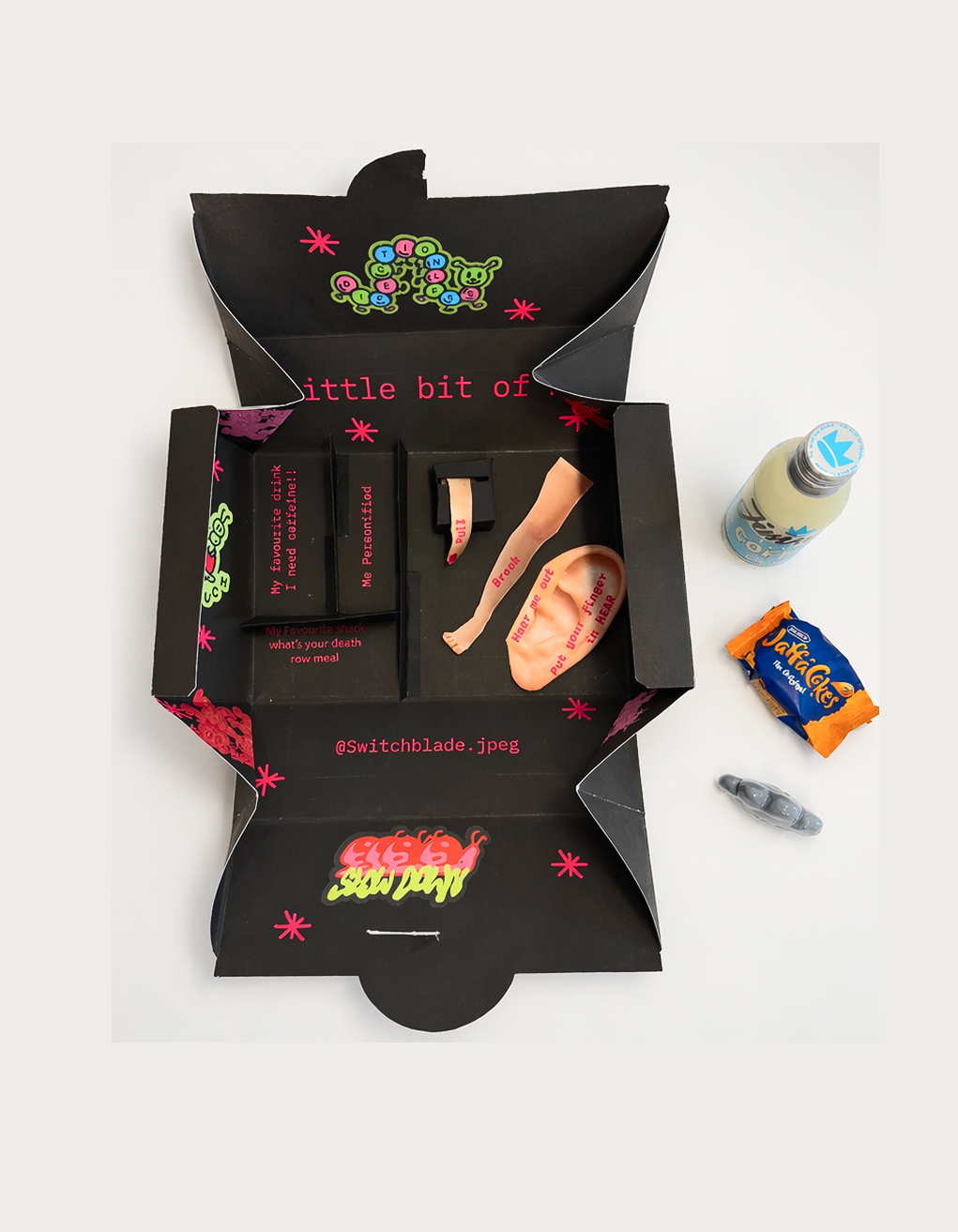
A physical pre-workshop onboarding box that helps corporate clients shed their professional mindset and arrive emotionally ready for team-building workshops before the session begins
Context
&US, a B2B design, strategy and tranformation consultancy found clients struggled to let go of a corporate mindset during workshops, meaning facilitators spent valuable session time getting people in a creative mindest.
The final version, titled Trapped, was designed for a real freelance designer based in Dublin who regularly works with remote clients.
Process
Coaches at &US repeatedly saw the same pattern: participants arrived guarded, treating the workshop as another meeting rather than a space for genuine reflection or connection. This limited how much value clients got from sessions and put pressure on facilitators to "warm up" the room before any real work could begin.
Design question: How might we help clients transition into an open, creative mindset before a workshop starts, in a way that feels personal rather than procedural — and that works whether the workshop is in person or remote?
Outcome
The project was initially scoped across six POPS sites, then reduced to three, Elephant Park, Canary Wharf, and King's Cross, based on interview and observational data, prioritising depth and clarity of experience over breadth of coverage.
Process
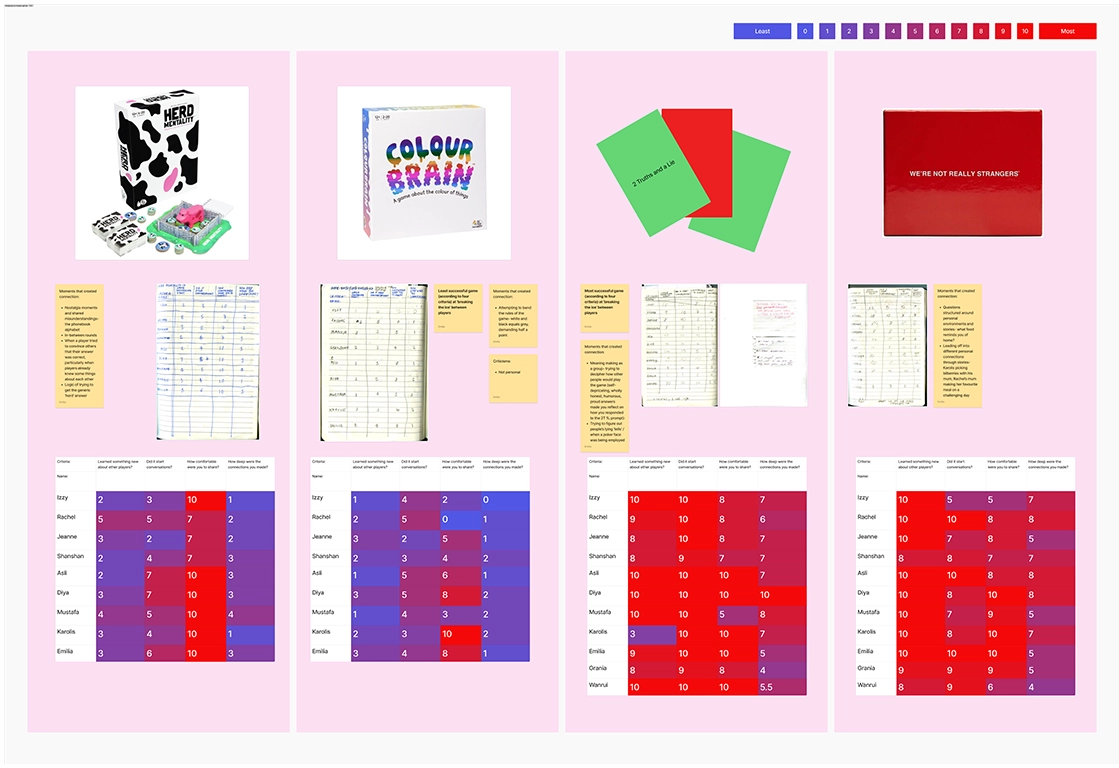
Comparative Playtesting
We ran a series of icebreaker and board games with each other, evaluating which mechanics prompted people to share personal stories or opinions beyond the structure of the game itself.
Interviews
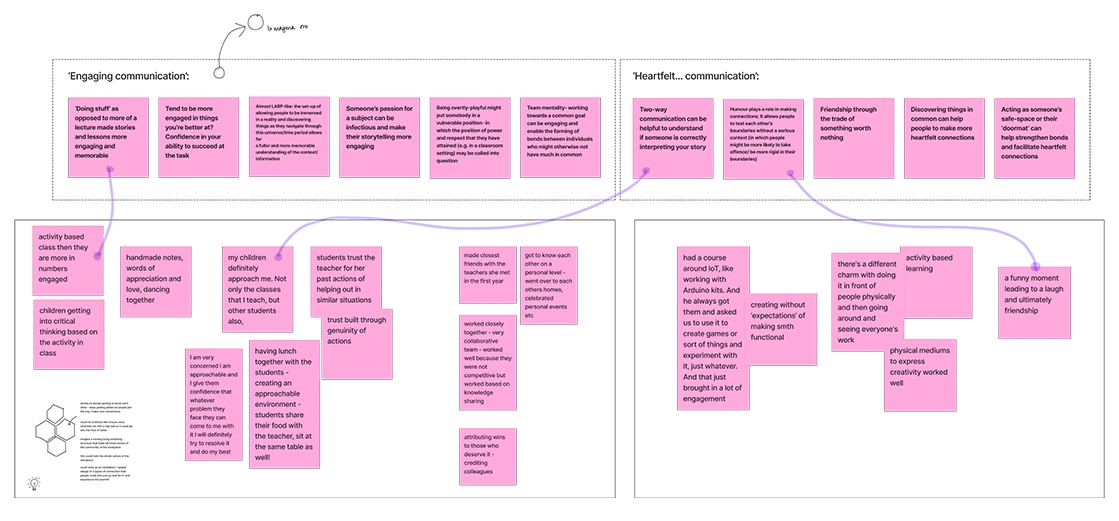
We used directed storytelling techniques to surface how people naturally build trust and rapport, rather than relying only on desk research.
Literature Review
Stuart Hall's (1980) encoding/decoding model, Ray Oldenburg's concept of "third places," and Charles Spence's writing on multisensory architectural design all informed how we thought about designed environments and objects as carriers of meaning.
Key Insights
Genuine connection didn't come from the content of an activity alone, but from whether participants felt it was safe and low-effort to be a little vulnerable. Both kindness (the tone the sender sets) and engagement (the effort the receiver puts in) needed to be present for a heartfelt exchange to happen.
Design
Concept Development
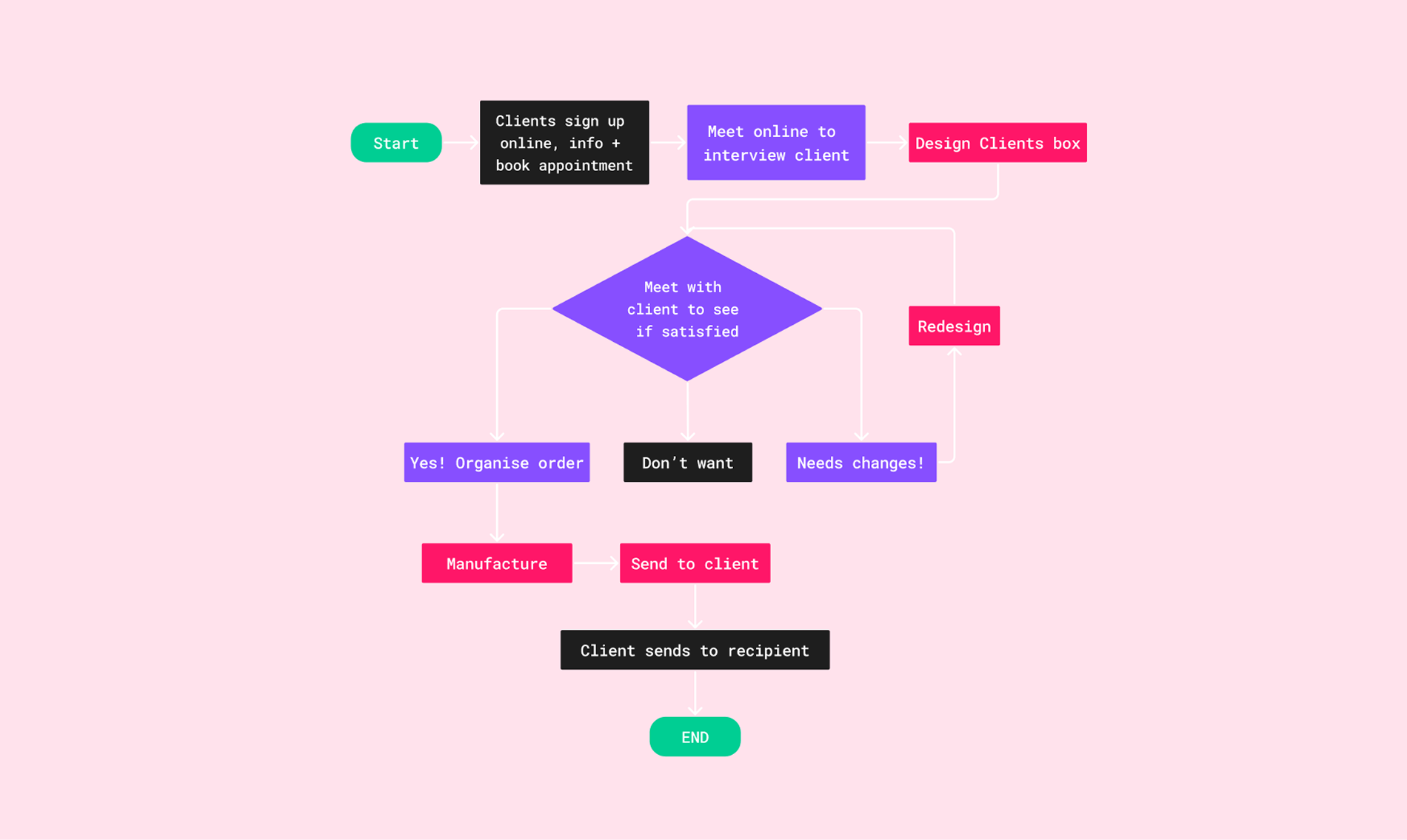
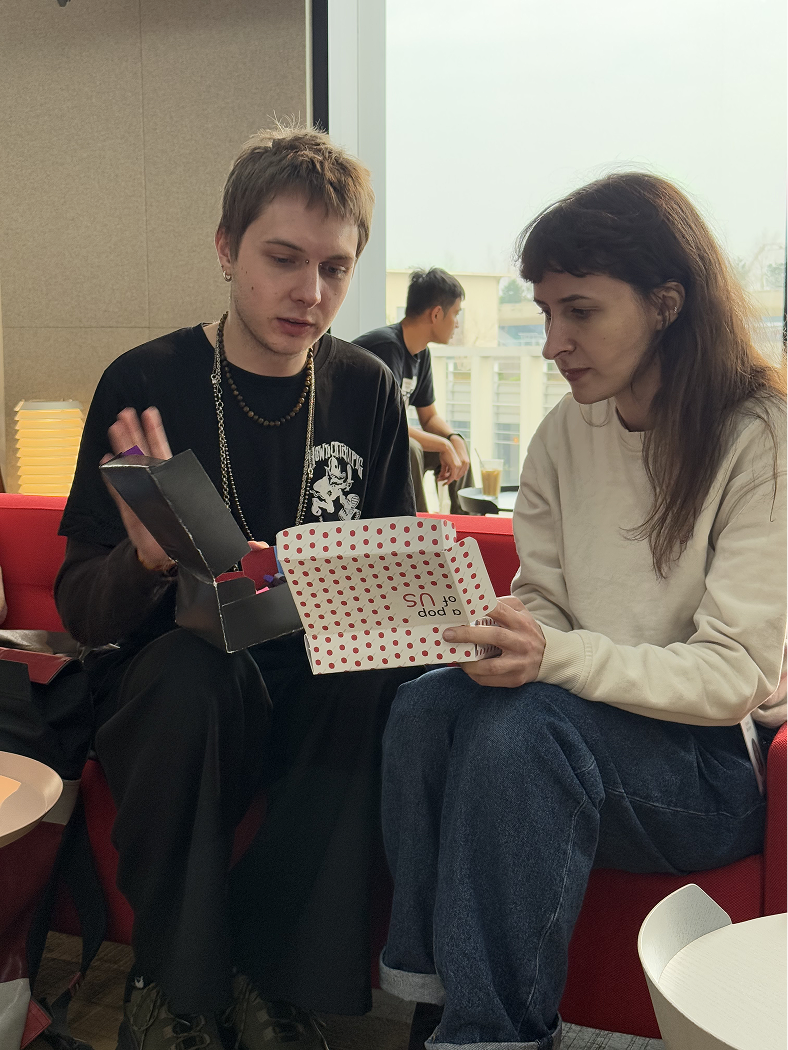
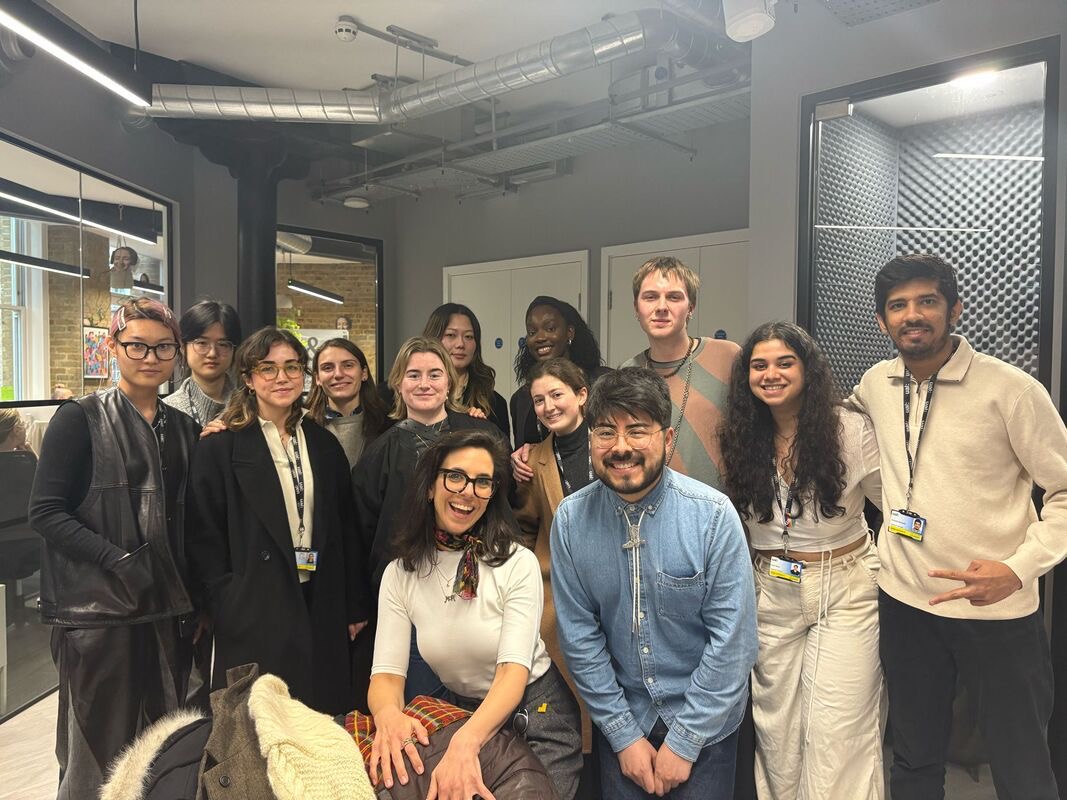
The box was designed to do three things: introduce the facilitation team, lower the client's guard before the session, and leave a lasting physical memento. Early client conversations confirmed this mattered — one facilitator described a client who had kept a workshop keepsake for four years and proudly showed it off when the team returned.
Design Direction: Committing to Playfulness
After testing both directions, the team committed fully to a playful visual language rather than a hybrid. Informal feedback from a senior interaction designer at Google confirmed a genuine gap: most companies do not structure relationship-building into onboarding, even with external collaborators, validating the box's core value proposition.
Outcome
Designing for stakeholders
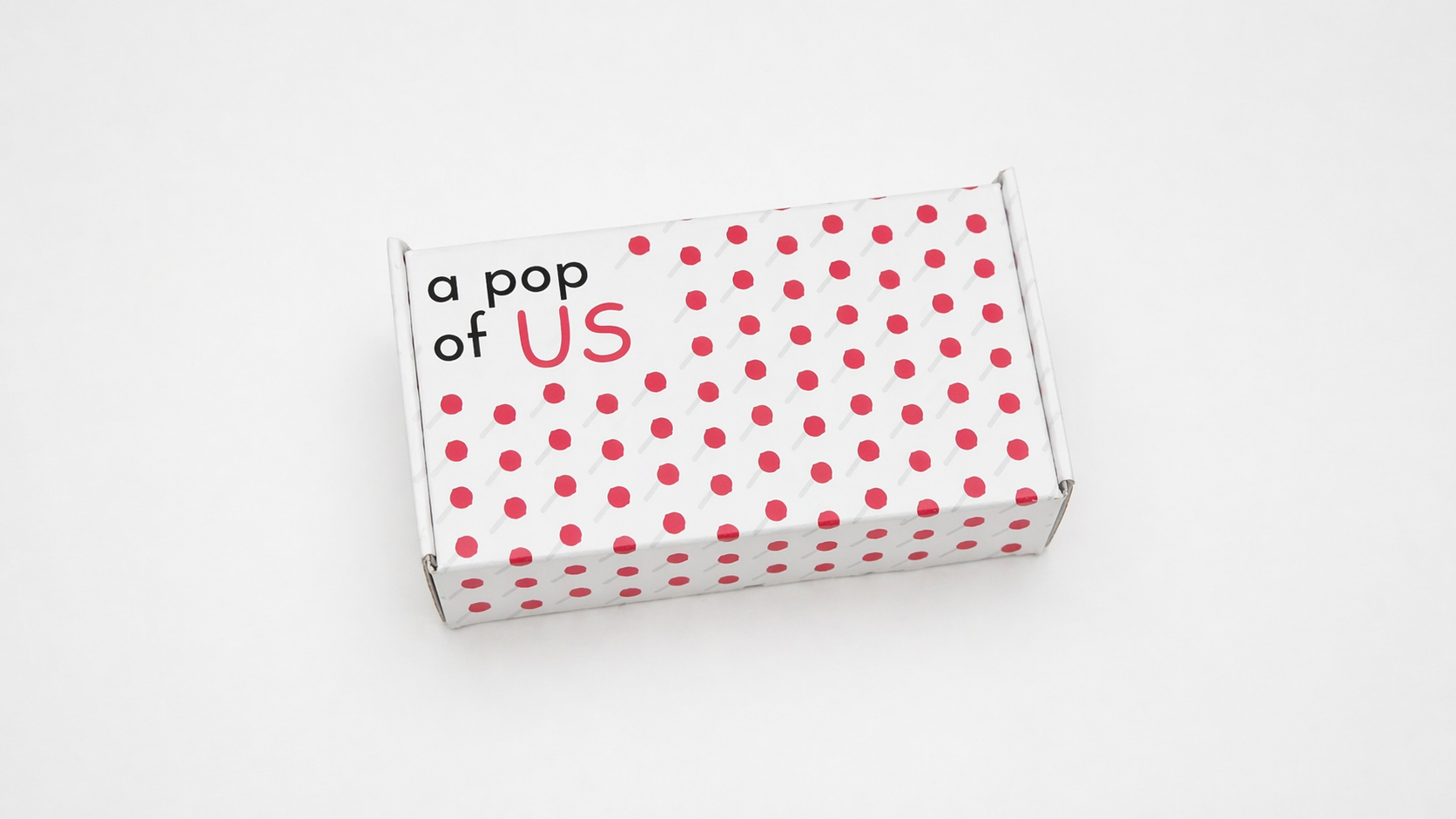
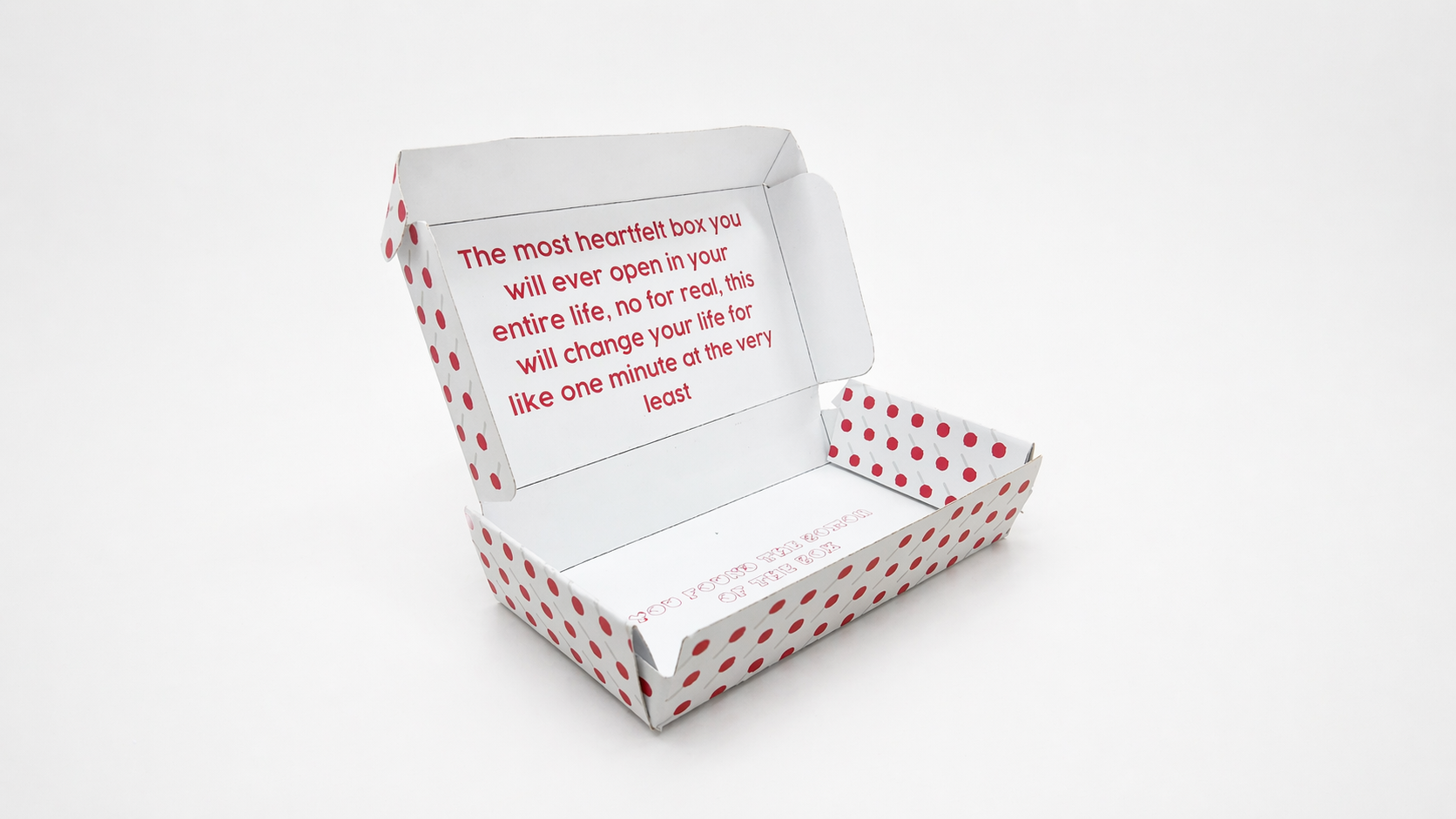
The first iteration was a direct response to the brief combined with reasearch, a pre-workshop intervention. The art direction taken was in resonance with the branding of &US.
Designing for a Real User
Rather than continuing to design for a generic client, we tailored the final iteration to a specific person: a freelance designer based in Dublin who regularly works with clients she has never met in person, interviewed by a teammate. This shifted the project from a generic deliverable to a grounded, personalised artefact.